
DOJ sues Virginia over tuition policy for immigrants
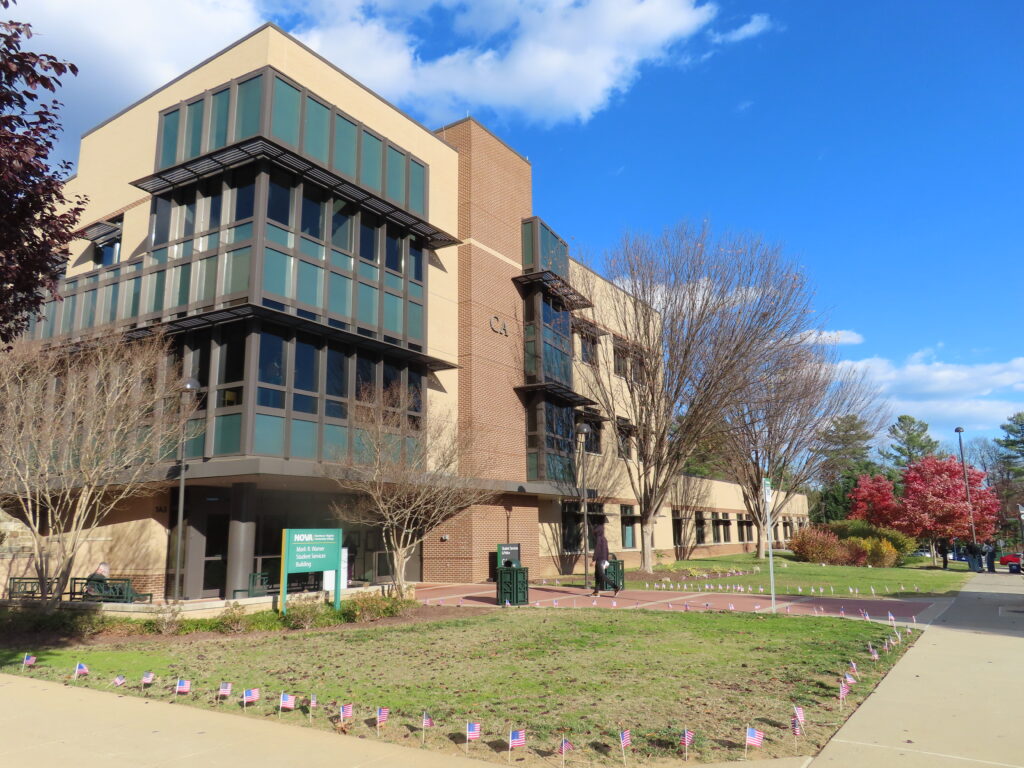
Immigrant rights organizations are challenging a suit filed by the Justice Department that seeks to block Virginia from allowing undocumented immigrants access to public colleges and universities at the in-state tuition rate.
The suit, filed Dec. 30, charges a Virginia law “providing in-state tuition and financial assistance for illegal aliens” violates federal laws and executive orders signed by President Trump.
Dreamers affected
The Virginia law, enacted in 2021, says any student who attended high school in Virginia for two years is eligible for in-state tuition regardless of citizenship or immigration status.
The Legal Aid Justice Center (LAJC) and the ACLU of Virginia filed an emergency motion on Dec. 31 to intervene in the suit on behalf of the Dream Project.
The Dream Project serves immigrant students pursuing higher education across Virginia. Many current Dream Scholars rely on in-state tuition to afford college.
Also on Dec. 31, the Virginia Attorney General Jason Miyares joined the Trump administration in a joint motion for a consent judgment.
That means Virginia “is surrendering without defending the law – leaving students with no voice in court,” the LAJC states. As a result, “students could lose in-state tuition status immediately – potentially forcing them to drop out mid-year.”
The University of Virginia charges $21,803 a year for Virginia residents and $59,512 for out-of-state students. Tuition at Northern Virginia Community College is $224 per credit hour for in-state students and $444 for non-Virginia residents.
Discrimination charged
According to a DOJ press release, the Virginia law “unconstitutionally discriminates against U.S. citizens who are not afforded the same reduced tuition rates, scholarships, or subsidies; creates incentives for illegal immigration; and rewards illegal immigrants with benefits that U.S. citizens are not eligible for, all in direct conflict with federal law.”
The DOJ complaint alleges that colleges and universities in Virginia cannot provide benefits to non-citizen residents of Virginia that they don’t provide to U.S. citizens from other states.
“This Department of Justice will not tolerate American students being treated like second-class citizens in their own country,” said Attorney General Pam Bondi.
The Department of Justice sued California and Illinois in 2025 over their laws to provide in-state tuition to undocumented immigrants.
Financial hardship
Students affected by the DOJ lawsuit “grew up in the commonwealth, graduated from our high schools, contribute to our communities, and made life-altering decisions for their futures relying on a state law that has existed for years,” said Rohmah Javed, director of LAJC’s Immigrant Justice Program. “They are Virginians in every way that matters, and they deserve someone to stand up and fight for them.”
“The state and federal administrations are attempting to re-legislate and set aside the will of the people,” said Zuraya Tapia-Hadley, executive director of the Dream Project. “If we don’t intervene, that essentially opens the door for settled law to be thrown out with the wave of a pen via a judgment.”
Tapia-Hadley said the DOJ’s lawsuit is “an existential challenge to the Dream Project and would undermine our core mission, disrupt ongoing scholarship and mentorship programs, and require the diversion of our limited resources to provide crisis support for students facing sudden, severe, and irreparable financial hardship.”
The National Immigration Law Center reports that 14 states offer in-state tuition to students regardless of immigration status.
“Students affected by the DOJ lawsuit “grew up in the commonwealth, graduated from our high schools, contribute to our communities, and made life-altering decisions for their futures relying on a state law that has existed for years,” said Rohmah Javed, director of LAJC’s Immigrant Justice Program.”
“Immigrant justice”?
Since when did illegal entry become a legitimate form of immigration? Words matter, and rebranding unlawful presence as “justice” does not change the underlying legal reality.
The Supreme Court’s Plyler v. Doe decision required states to provide K–12 public education to children regardless of immigration status—rightly or wrongly. It did not establish a general taxpayer obligation to subsidize post-secondary education, professional training, or discretionary benefits for those here unlawfully.
Extending limited, compulsory primary education to minors is one thing. Expanding that rationale into an open-ended entitlement for adults is another entirely—and one the Court never endorsed.
Calling this “immigrant justice” is not a legal argument; it’s a rhetorical maneuver designed to bypass debate about legality, cost, and fairness to citizens and lawful residents.
No one is entitled to other peoples’ money especially those here illegally. That’s called taxpayer justice. Violate our laws, bad things happen. That’s the real education story here and that’s called just plain justice.
This is interesting, particularly for out of state students who are in VA colleges. The state did pass a law allowing illegal immigrants to get the same benefits as in state citizens. That is what our state level elected officials decided to do. Voting matters, but when citizens elect people that give away the rights, responsibilities, and benefits of being a citizen – then does it matter to be a citizen? What will be the consequences for the VA colleges budgets? How will this impact the credibility and effectiveness of the VA colleges? I don’t know the answers, but it does raise serious questions about financial impact as well as the value of being a citizen or a lawful immigrant. Also, save your breath on claiming a person can’t be illegal – yes, a person is an illegal immigrant if he /she didn’t follow the law to lawfully migrate to the USA. Again, elected officials in Congress wrote the law that defined an individual that way.
“Laws and borders are important.”
-No liberal ever